

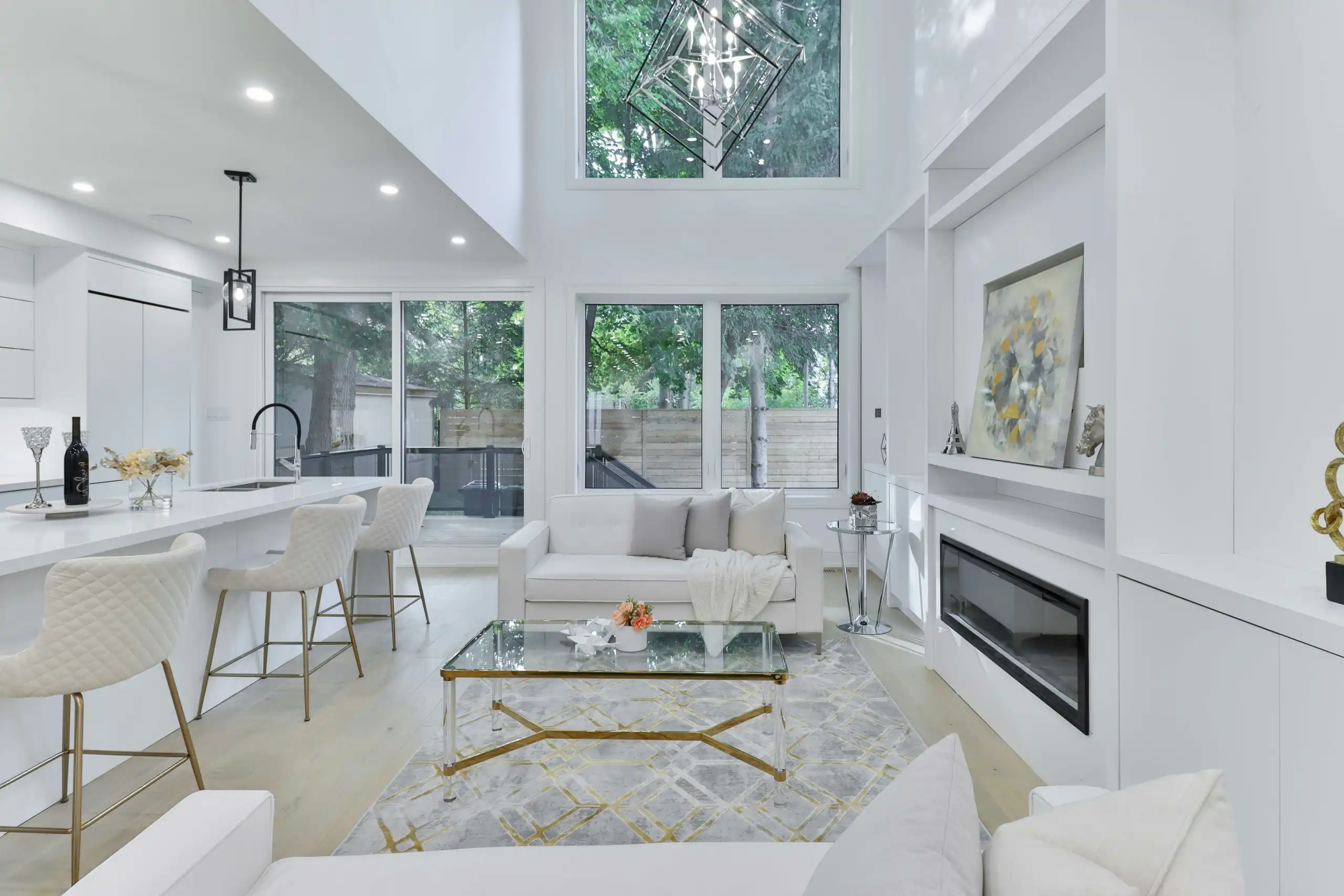
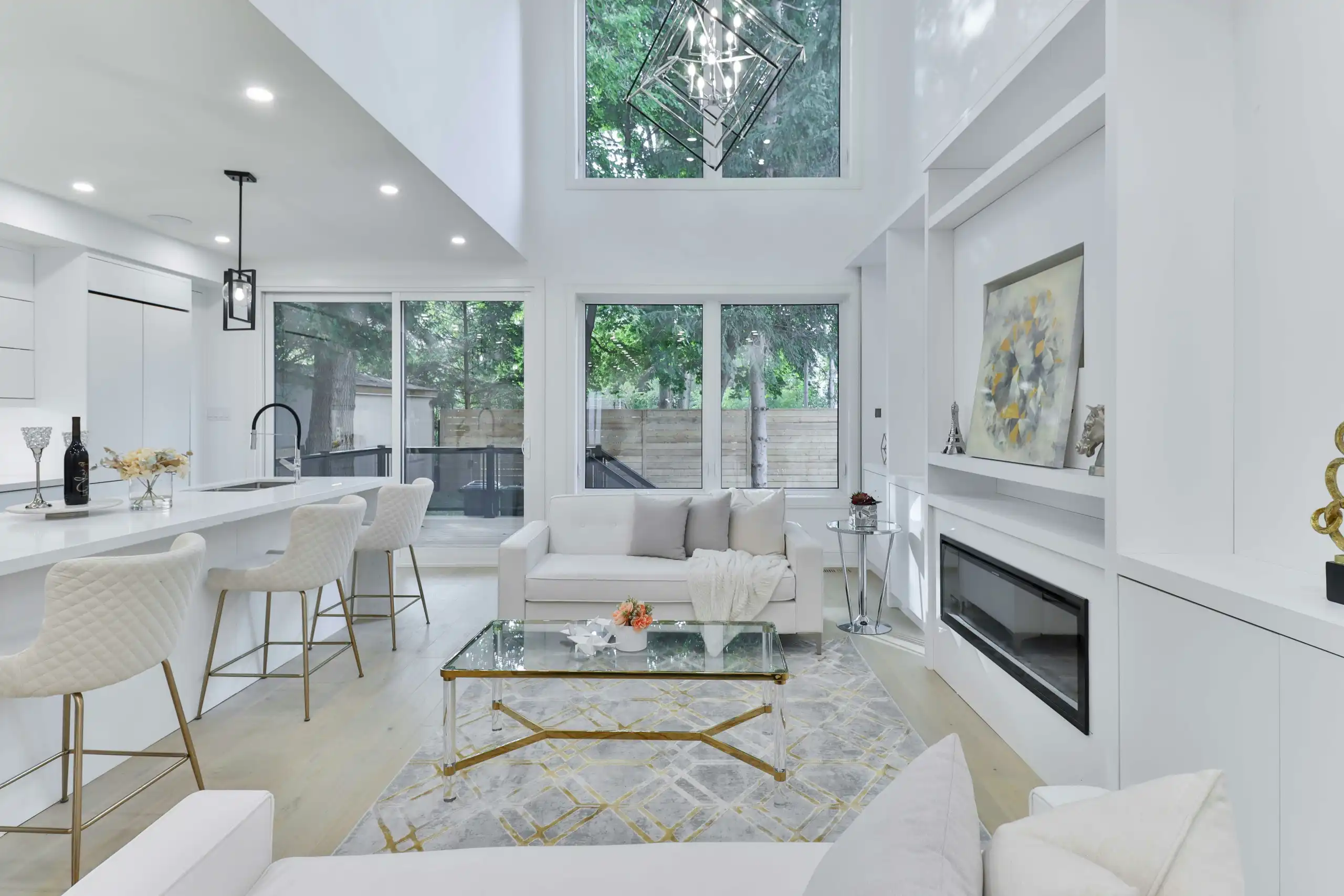
A buyer may admire the kitchen and still leave thinking the house feels overpriced. The shift often begins with something small: a sticking door, uneven light, tired hardware, or a mechanical room that looks ignored. In a high-end sale, these details matter because buyers use them to judge the care, quality, and risk of the entire property.
The first few minutes set the value frame
Buyers begin evaluating before they reach the main rooms. The drive, landscaping, exterior finish, entrance, light, and scent establish whether the property feels cared for. None needs to be flawless, but a cluster of neglected details can make a buyer allow for broader risk.
Once inside, buyers notice what they touch. Door weight, drawer movement, hardware, flooring transitions, stonework, and finish consistency help them decide whether the quality is genuine or largely visual. One aging item rarely defines a house, but a repeated mismatch between appearance and construction can weaken confidence.
The answer is not an automatic renovation. A seller-side walkthrough should separate distracting but simple corrections from expensive work that may not return its cost. Fix what creates doubt about care or basic function; support, explain, or price for larger items that should remain as they are.
Buyers test how the house works
After the initial impression, attention shifts to daily use. Buyers consider the path from the garage to the kitchen, useful storage, primary suite privacy, sound between rooms, and whether outdoor areas connect naturally to the house. A terrace may photograph beautifully, for example, but access, shade, noise, and proximity to the kitchen determine how usable it feels.
Systems also influence the tour, even before an inspection. Buyers may notice water staining, uneven temperatures, noisy equipment, neglected service areas, or a roof that appears near the end of its useful life. An orderly mechanical room and clear service records do not replace a professional inspection, but they can show consistent stewardship.
Claims about renovations, architects, builders, materials, or system ages should be supported by records. If a detail cannot yet be verified, it is better to describe it modestly than to build part of the property’s value story around an assumption.
Access strategy should protect consistency and privacy
Maximum exposure and controlled access solve different problems. A broad launch can reach more buyers and create visible competition. Private outreach can protect discretion and limit unnecessary traffic, particularly when a property is distinctive or the seller has meaningful privacy concerns.
The right sequence depends on the property, the seller’s priorities, competing inventory, and how ready the home is to be judged. Public exposure is harder to take back. If pricing, condition, photography, or documentation is unsettled, early reactions may center on weaknesses rather than the property’s underlying strengths.
Occupied homes need a clear showing routine. Lighting, temperature, pets, personal papers, family schedules, and access to private rooms should not be improvised for each appointment. The seller should also decide who approves exceptions and who gathers feedback, so one casual comment does not drive a premature price decision.
A large number of loosely qualified visitors is not the same as leverage. Leverage comes from credible buyers seeing a well-prepared property under consistent conditions, with enough reliable information to consider an offer.
Prepare the valuation case before the first tour
Buyers do not tour in a vacuum. They compare the property with current alternatives and recent sales, even when no comparison is exact. Current Nashville figures should be checked against Greater Nashville REALTORS monthly market reports and property-level listing data before pricing is set. Citywide averages alone cannot establish the value of a particular home.
For an unusual or high-value property, truly comparable sales may be limited. The useful peer set should account for location, site, condition, scale, privacy, and known seller credits rather than relying only on price per square foot. That work is more persuasive when completed before buyer feedback creates pressure.
Improvement records, permits where applicable, a survey, floor plans, and a concise feature summary can help buyers, lenders, and appraisers understand what they are evaluating. These records do not guarantee an appraisal result. A pre-listing appraisal may be worth discussing with a qualified local appraiser when the property is highly distinctive, financing is likely, or a trustee needs an independent opinion.
Choose the order of priorities before going to market
Before selecting a launch strategy, the seller should rank four objectives: net proceeds, privacy, timing certainty, and continued occupancy. A trustee may also need a particularly clear record of how condition, price, and offer terms were evaluated.
That order guides the practical choices: private outreach or immediate public exposure, occupied or vacant presentation, and selective improvements or an as-is price adjustment. There is no universal answer, but the decisions should be made before the first buyer enters the property.
The clearest next step is one disciplined seller-side tour before photography or outreach. Use it to identify the few condition issues that could change a buyer’s value judgment, establish showing and privacy rules, and assemble the evidence supporting the asking price. That preparation keeps the seller from solving avoidable problems after an offer is already at risk.
Whether you have questions about this topic or any other real estate matter, Patricia Straus is here to help. Feel free to call or email anytime for expert guidance, local market insight, and personalized assistance with all your real estate needs.